_edited.png)
Designing Multifunctional Spaces for Modern Living: A Guide to Adaptable Interiors
In a world that never slows down, creating versatile living spaces is more important than ever. With our lives becoming busier, multifunctional spaces in our homes can significantly improve how we use our environments. Whether you are living in a cozy apartment or a spacious family house, the ability to adapt your living areas for various purposes can enhance both usability and aesthetic appeal.
This guide will explore the principles of designing multifunctional spaces. You will see how creativity and thoughtful organization can redefine modern living. From choosing the right furniture to planning your space effectively, let's examine how to transform your home into a comfortable and adaptable haven.
Understanding Multifunctional Spaces
Multifunctional spaces are designed to serve multiple purposes. This concept allows you to maximize your living area without creating clutter. For instance, you can utilize a single room for working, entertaining, and relaxing. According to a recent study by the National Association of Home Builders, around 45% of homeowners want flexible spaces in their homes. This growing demand reflects the need for efficient use of our often-limited square footage.
By integrating smart design strategies, you can create an environment that enhances your everyday experience.
Key Principles of Multifunctional Design
1. Space Planning
Effective space planning is essential to achieve a multifunctional layout. Start by defining the primary uses for each room and how they can coexist. For example, if your living room will also serve as a home office, consider how to arrange your furniture. Prioritize a desk that blends with the decorative pieces and ensure adequate lighting for both work and relaxation.
Open floor plans can facilitate smooth transitions between various zones, promoting a more fluid living experience. Data indicates that homes with open layouts can feel 20% larger than those with traditional layouts.
2. Versatile Furniture
Choosing versatile furniture is vital for creating adaptable spaces. Look for pieces that can change functions with ease. For instance, a sofa bed can seamlessly turn your living room into a guest room for visiting friends or family. Additionally, modular furniture allows you to rearrange pieces as needed for different occasions.
Consider foldable or stackable chairs and tables for extra seating without taking up too much room. These can be handy when hosting gatherings, allowing you to make the most of your floor space.

3. Effective Storage Solutions
Storage can be a challenge in multifunctional spaces, but optimizing it is key. Use items designed for multiple uses, like ottomans with hidden compartments or stylish wall-mounted shelves that also act as decor. In fact, 60% of homeowners report needing more storage options than they currently have.
Creating vertical storage not only helps you stay organized but also frees up valuable floor space, making your home feel more open and inviting.
4. Flexible Layouts
Flexible layouts allow you to make quick adjustments based on your needs. Using area rugs can help define different zones in an open space. For instance, one area can be set up as a serene reading nook while another serves as a workspace. This setup is particularly useful for small homes where space is at a premium.
Design layouts that easily morph based on activities or the number of guests you are entertaining. A well-structured space can make hosting easier and more enjoyable.
5. Incorporating Nature
Bringing elements of nature into your home can boost both beauty and well-being. Plants can function as natural dividers between areas while also improving air quality. According to a study by NASA, indoor plants can reduce airborne pollutants by up to 87% over a 24-hour period.
Maximizing natural light through large windows or sliding glass doors can make your rooms feel larger and more welcoming.
Specific Tips for Key Areas
Living Rooms
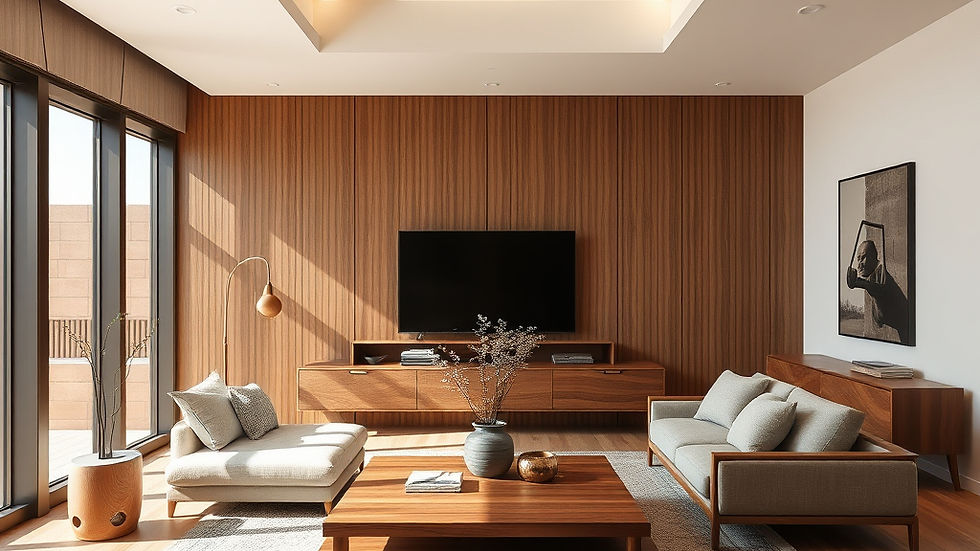
To make a living room multifunctional, you can focus on enhancing its adaptability for relaxation and productivity. Customizable furniture that can change its function based on your needs is a smart investment. For example, a coffee table that raises to dining height can serve dual purposes.
Bedrooms
In the bedroom, maximize functionality with innovative storage solutions. Built-in shelves and under-bed drawers can keep your space organized and neat. This ensures a peaceful environment, whether you are unwinding or catching up on work.
Kitchens
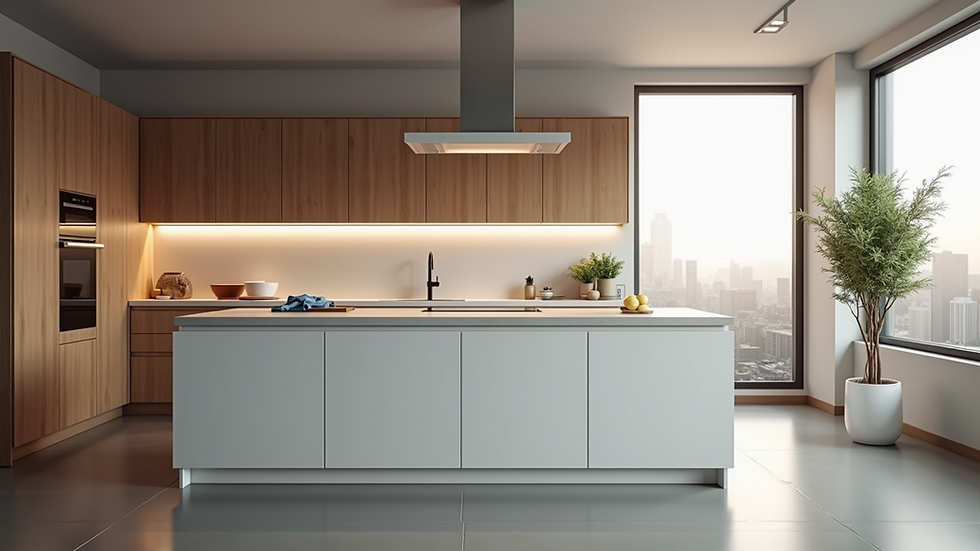
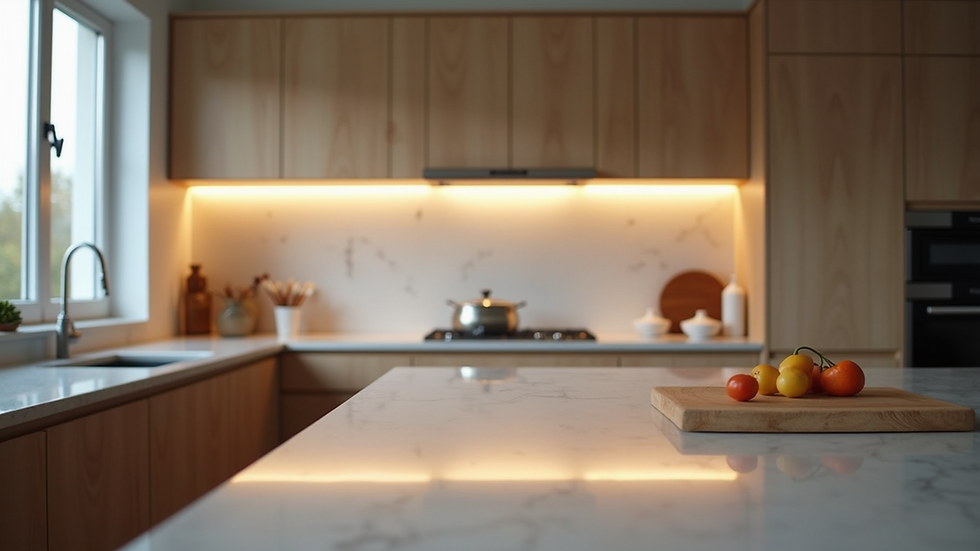
Kitchens are often the heart of the home. An open-concept kitchen with an island can fulfill multiple functions: meal preparation, dining, and socializing. Multifunctional appliances, such as a microwave that also can be a convection oven, can streamline your kitchen operations further.
Emphasizing Personalization
Personalization plays a key role in making your multifunctional spaces feel comfortable and inviting. Add personal touches like artwork, family photos, or decor that reflect your unique style.
Fostering a cozy atmosphere alongside functionality makes a space not just livable but also a true reflection of who you are.
Creating Balanced Living Spaces
Designing multifunctional spaces calls for careful planning, smart furniture choices, effective storage, and personalized accents. Embracing flexibility and creativity allows you to optimize your home for everyday living, catering to the diverse needs of your busy life.
As you work on creating adaptable interiors, keep in mind that functionality should enhance comfort and style. With the right strategies, you can build a home that meets your lifestyle requirements while also serving as a sanctuary for relaxation and inspiration.
Maximizing every corner of your home helps you lead a more organized and fulfilling life, proving that both flexibility and beauty can exist together.
Comments